
When winter nights dip across the Upstate, a dependable heating system isn’t a luxury—it’s peace of mind. Whether you rely on a gas furnace, an electric heat pump, or a hybrid setup, even small issues can turn into big headaches once temperatures fall. Timely, professional heating repair restores comfort, protects your equipment, and helps keep energy costs in check. Here’s how to spot problems early, what to expect during a service visit, and how to decide between repairing and replacing your system—tailored to the unique homes and climate of Upstate South Carolina.
Common Heating Problems and What They Mean
You can learn a lot from how your system behaves. Uneven room temperatures and cold spots often point to airflow problems, such as a clogged filter, blocked returns, or leaky ductwork. If your system is short cycling—turning on and off too frequently—causes may include an oversized unit, a failing blower motor, a dirty flame sensor, or miscalibrated thermostats. Meanwhile, a heat pump that runs constantly on a chilly Upstate morning might be normal during defrost cycles; but if the auxiliary heat kicks in too often or the outdoor unit ices over for extended periods, you could be dealing with low refrigerant, a stuck reversing valve, or a faulty defrost control board.
Listen for signals as well. Banging or rattling from a furnace may indicate loose panels or an unbalanced blower wheel, while a high-pitched squeal can point to a worn belt or motor bearings. Clicks at startup are generally normal, but repeated ignitions without sustained heat can mean a failing igniter or gas supply issue. A musty odor suggests microbial growth in the air handler or ducts; a sharp, metallic scent can be an electrical problem; and a persistent burning smell after the initial seasonal “burn-off” deserves immediate attention. For gas furnaces, any suspicion of carbon monoxide risk demands professional diagnostics and a CO detector check without delay.
Energy bills provide another clue. If your usage rises sharply despite similar weather, your system may be working harder due to restricted airflow, poor combustion, or declining heat pump efficiency. In Upstate crawl spaces and attics, moisture can accelerate rust on heat exchangers, corrode electrical connections, and clog condensate lines. Because these issues interact—what starts as a simple thermostat misread can strain motors and control boards—professional heating repair pays for itself by stopping the domino effect before it reaches critical components.
Professional Heating Repair: What to Expect From Diagnosis to Warm Air
A thorough service visit begins with safety. Technicians verify power shutoffs, gas connections, and CO risk before running your system. For a furnace, they’ll inspect burners, flame patterns, ignition timing, and draft. For heat pumps, they’ll check the defrost board, reversing valve operation, refrigerant charge, and outdoor fan performance. Expect targeted tests: static pressure across the duct system to pinpoint airflow bottlenecks; electrical measurements across capacitors, contactors, and boards; and temperature rise or supply/return deltas to confirm heat transfer. These diagnostics separate symptoms from causes so repairs don’t just mask bigger issues.
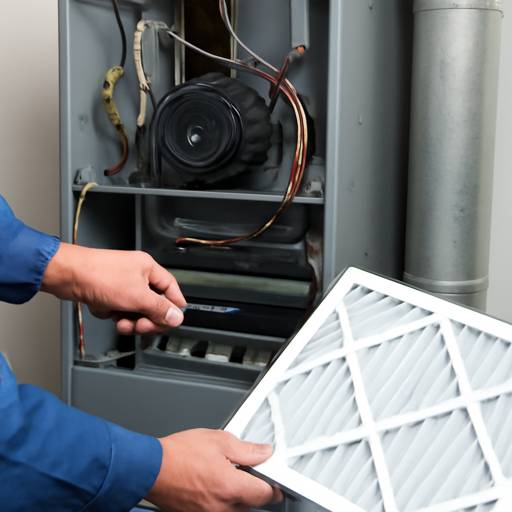
Once the problem is identified—say a fouled flame sensor, a failing inducer motor, or a weak run capacitor—your technician will outline options, timelines, and costs. Many common fixes are completed the same day, from cleaning burners and sensors to replacing igniters, motors, or control boards. Heat pump issues like low charge or a stuck reversing valve may require leak checks, brazing, and proper evacuation before a precise recharge. Expect transparent communication: what failed, why it failed, and how the recommended repair restores efficiency and reliability. If the problem traces back to duct leakage or poor return air design, you’ll get solutions that address system performance, not just the immediate symptom.
Local context matters. In the Upstate’s mix of historic bungalows and newer builds, technicians are prepared for tight attics, damp crawl spaces, and older electrical panels. They’ll check for code-compliant venting on natural gas furnaces and ensure crawl-space equipment is protected from moisture that can corrode heat exchangers or cause condensate backups. Real-world example: a Greenville homeowner with constant short cycling and chilly bedrooms saw the root cause traced to an undersized return and a dirty flame sensor. After sensor cleaning, return enlargement, and duct balancing, their furnace ran quieter, longer, and heated evenly—without overspending on a bigger unit. And in Spartanburg, a heat pump stuck in cooling mode in January turned out to be a failed defrost board; a straightforward replacement restored reliable heating the same day. If it’s time to schedule expert Heating Repair, choose a team that pairs advanced diagnostics with local know-how to get warm air flowing fast.
Preventative Care, Costs, and the Repair vs. Replace Decision
Understanding costs starts with scope. A cleaning and tune-up to correct airflow and ignition issues is typically the most budget-friendly path to better heat. Midrange repairs include components like draft inducers, blower motors, and control boards. Larger investments—heat exchangers, compressors, or major refrigerant leaks—can approach replacement territory. A useful guideline is the 50% rule: if a repair approaches half the cost of a new system and the unit is near the end of its lifespan, replacement may be the smarter long-term move. In the Upstate, where winter demand spikes, fast access to parts and seasoned technicians can minimize downtime and help avoid temporary space heaters that risk electrical overloads.
Age matters. Most gas furnaces last 15–20 years with regular care; heat pumps average 10–15 years due to year-round duty cycles. Consider replacement sooner if you’re facing a cracked heat exchanger (a safety hazard), chronic compressor issues, or repeat failures within a short timeframe. Newer systems offer higher efficiency ratings—look for strong HSPF2 and SEER2 numbers on heat pumps—and smarter controls that limit auxiliary heat usage on the region’s borderline-cold days. Don’t overlook duct health; sealing and insulating ducts can deliver bigger savings than a new unit alone, especially in vented attics and crawl spaces common in local homes.
Prevention is the quiet hero of comfort and cost control. Change 1-inch filters every 30–60 days during heating season (or follow manufacturer guidance for thicker media). Keep the outdoor heat pump clear of leaves and pine straw to maintain airflow; in frosty weather, gently remove ice buildup from the cabinet and ensure proper drainage around the pad. Inside, vacuum return grilles, keep supply registers unblocked by rugs or furniture, and program your thermostat to avoid extreme setbacks that force auxiliary heat to run. Schedule professional maintenance before the first cold snap: a full inspection includes checking gas pressure, verifying ignition and safety switches, cleaning burners and sensors, tightening electrical connections, testing capacitors, measuring static pressure, and confirming condensate drainage. Proactive steps like installing surge protection, adding a float switch to prevent pan overflows, or upgrading to a smart thermostat tuned for heat pump staging can prevent surprise outages and lower bills all season long. With consistent care and expert heating repair when needed, your system will deliver steady comfort through every Upstate cold front.

Porto Alegre jazz trumpeter turned Shenzhen hardware reviewer. Lucas reviews FPGA dev boards, Cantonese street noodles, and modal jazz chord progressions. He busks outside electronics megamalls and samples every new bubble-tea topping.